Degenerative Myelopathy in Dogs
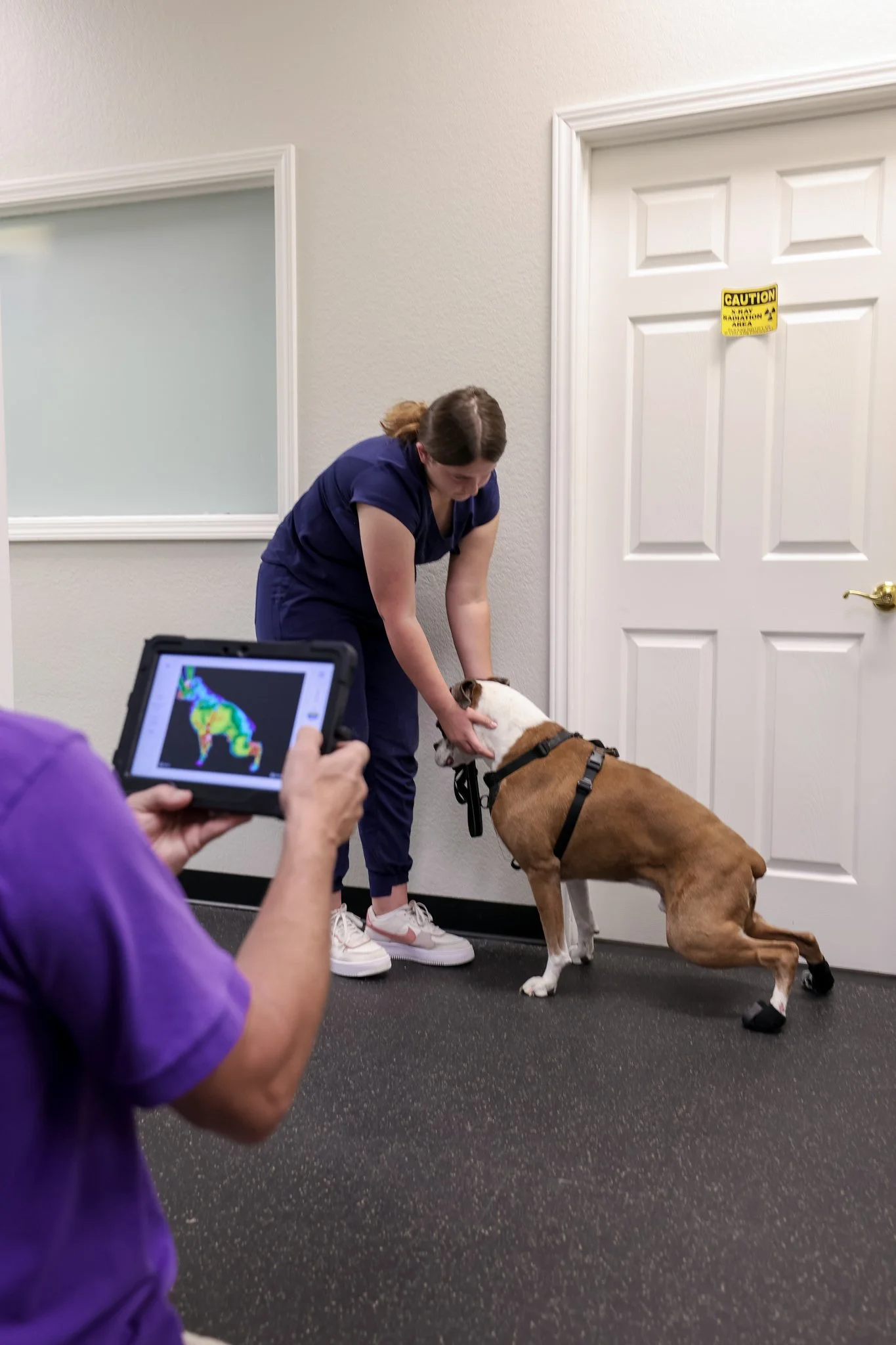
Degenerative myelopathy (DM) is a progressive neurological disease that affects the spinal cord in older dogs, leading to gradual weakness and loss of coordination in the hind legs. It is most common in breeds like German Shepherds, Pembroke Welsh Corgis, Boxers, and Chesapeake Bay Retrievers. DM is not painful in the early stages, but as it advances, it can cause significant mobility challenges, discomfort from secondary issues, and emotional stress for both pet and owner.
There is no cure for DM, as it is a genetic, degenerative condition similar to ALS in humans. However, with the right supportive care, pain management, physical therapy, and mobility aids, many dogs maintain a good quality of life for months to years after diagnosis. At Advanced Care Veterinary Services, we specialize in helping dogs with DM stay as comfortable, mobile, and happy as possible through targeted rehab and compassionate support.
Signs of Degenerative Myelopathy in Dogs
Gradual weakness or wobbling in the hind legs (often starts subtly)
Dragging or knuckling of the back paws (scuffing toenails)
Difficulty rising from lying down or sitting
Crossing or "crossing over" of hind legs when walking
Loss of balance or falling over when turning
Reduced ability to jump or climb stairs
In later stages: hind limb paralysis, urinary/fecal incontinence
Early signs are often mistaken for arthritis or hip dysplasia, so a neurological exam is key for accurate diagnosis.
How We Help Manage Degenerative Myelopathy While we can't reverse DM, we focus on slowing progression, managing secondary pain, and maximizing mobility and comfort.
Next Steps If your dog is showing hind-end weakness, wobbling, or dragging paws, don't wait—early supportive care makes a real difference. Schedule an evaluation to discuss options and start building a plan tailored to your dog's needs.
Call (972) 394-6422 or use the form below to book. New patients welcome—we're here to help your dog stay comfortable and mobile as long as possible.